

Cruise port competitiveness has traditionally been measured by the ability of ports to attract increasing numbers of cruise calls and passengers. For decades, passenger volumes and vessel traffic have been the primary indicators of success, reflecting the sustained growth of the global cruise industry.
Today, however, cruise ports operate in a rapidly evolving environment. Stricter environmental regulations, rising expectations from local communities and the cruise industry's commitment to decarbonisation are reshaping the factors that drive competitiveness. As cruise lines seek greater operational efficiency and more sustainable destinations, ports must adapt to new market demands.
In this context, competitiveness can no longer be defined solely by traffic volumes. Ports that successfully combine operational excellence, sustainability, digital innovation and strong port-city integration will be best positioned to attract future cruise business and create long-term value for both stakeholders and local communities.
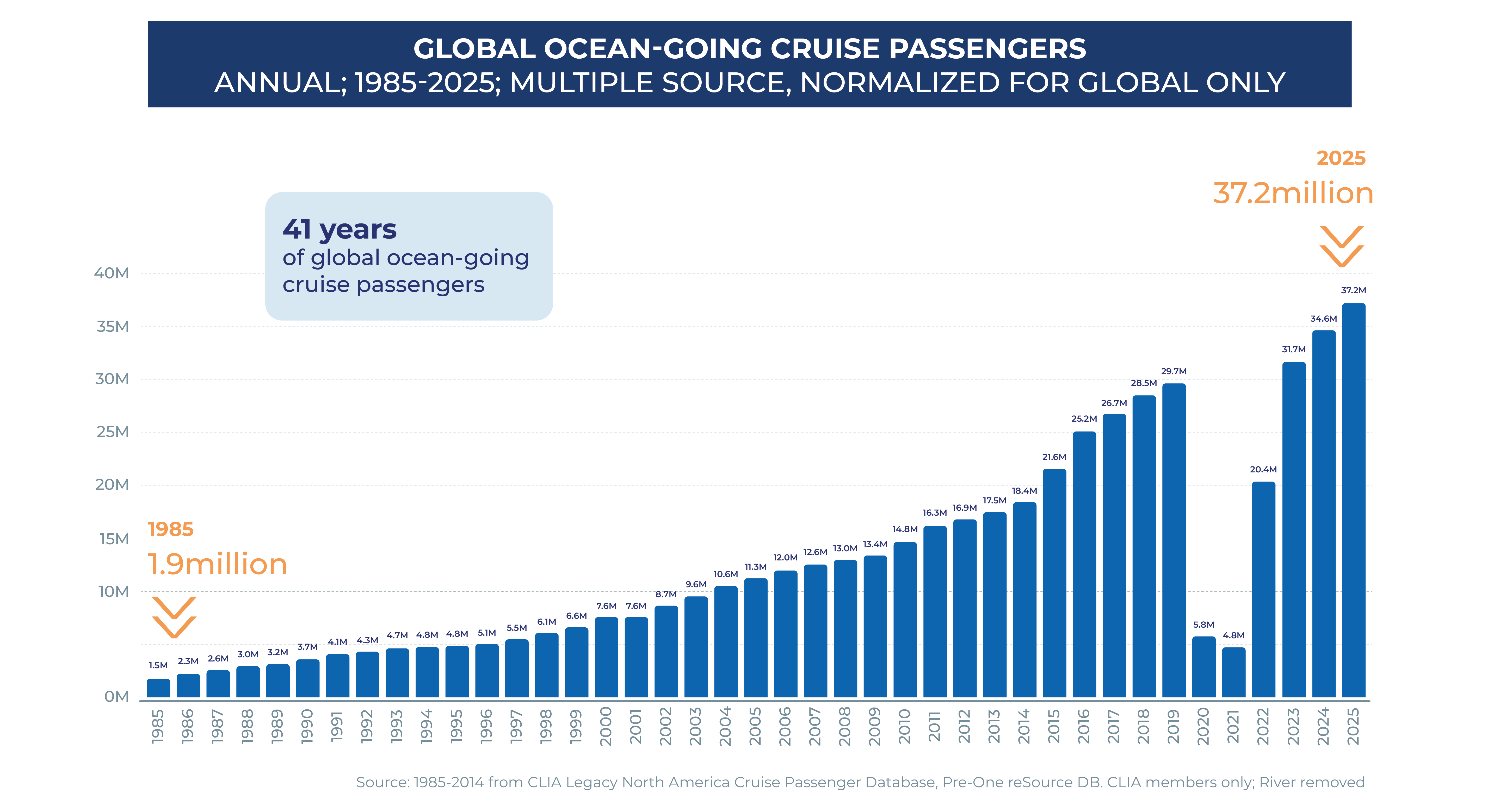 So, which factors will shape the competitive cruise ports of the next decade?
Key drivers of future cruise port competitiveness
Future-leading cruise ports will stand out by combining six complementary capabilities. Together, these drivers strengthen resilience, improve commercial attractiveness and create lasting value for cruise lines, passengers and host communities.
1. Destination appeal and connectivity
Cruise itineraries begin with destinations, not ports. As travellers increasingly seek authentic experiences and seamless journeys, destinations that combine strong tourism appeal with excellent accessibility will enjoy a clear competitive advantage. Beyond iconic attractions, cruise lines are looking for ports that reduce travel friction, shorten transfer times and offer flexible itinerary options. In an increasingly competitive market, accessibility and destination quality have become inseparable.
- A destination's attractiveness remains the primary driver of itinerary planning. Ports that offer distinctive cultural, natural or experiential value are better positioned to differentiate themselves from competing destinations.
- Seamless connectivity with international airports, rail services and regional transport networks is becoming a strategic differentiator. With more than 40% of cruise passengers worldwide travelling by air to join their cruise (the fly-cruise market), efficient intermodal connections are essential to improving accessibility, reducing travel friction and enhancing the overall passenger experience.
2. Operational excellence and capacity
Efficiency is becoming one of the industry's strongest competitive differentiators. The next generation of competitive ports will not necessarily be those with the largest terminals, but those capable of handling growing passenger volumes with greater speed, reliability and flexibility. As cruise ships become larger and turnaround operations more complex, operational efficiency increasingly determines both customer satisfaction and port profitability. Technology, collaboration and process optimisation are becoming just as valuable as new infrastructure.
- Future capacity will depend not only on available berths but also on the efficiency of passenger handling, terminal operations and vessel turnaround. Smarter processes can increase throughput without major infrastructure expansion.
- Digital documentation, biometric processing and automated passenger flows reduces waiting times, improve security and enhance the passenger experience.
- Real-time data sharing and closer collaboration between ports, cruise lines, terminal operators and public authorities can optimise berth allocation, resource planning and operational resilience.
- As ships become larger and regulatory requirements more demanding, ports that deliver fast, reliable and flexible operations will gain a clear competitive advantage.
3. Sustainability
Environmental performance is now influencing commercial decisions across the cruise value chain. Cruise lines are under growing pressure to reduce emissions across their operations, while regulators and local communities increasingly expect ports to contribute to cleaner and quieter destinations. Ports that invest early in decarbonisation infrastructure are strengthening their attractiveness while reducing long-term regulatory and operational risks.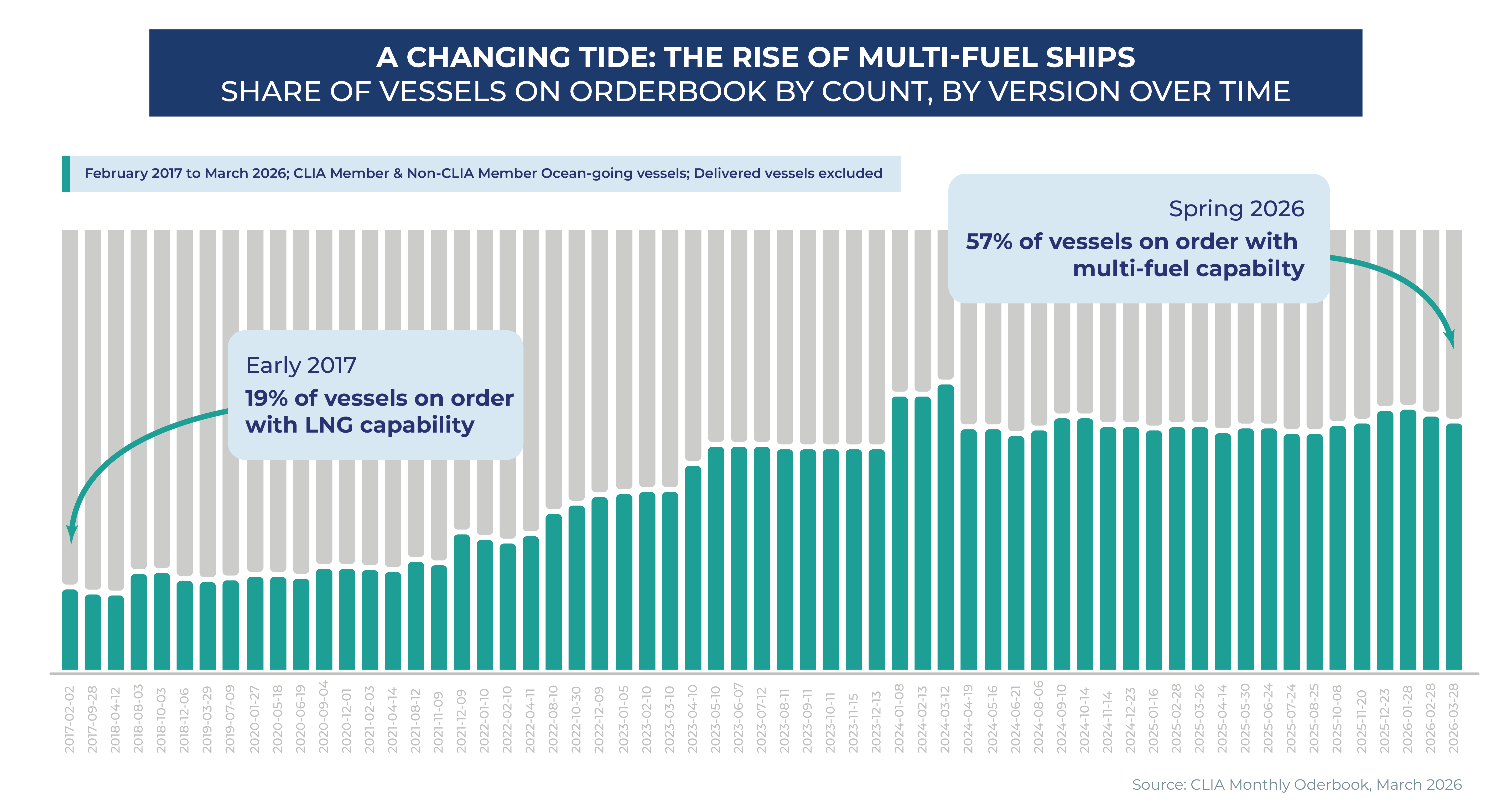
- Sustainability is becoming a prerequisite for attracting cruise business as environmental performance increasingly influences deployment decisions, regulatory compliance and access to investment.
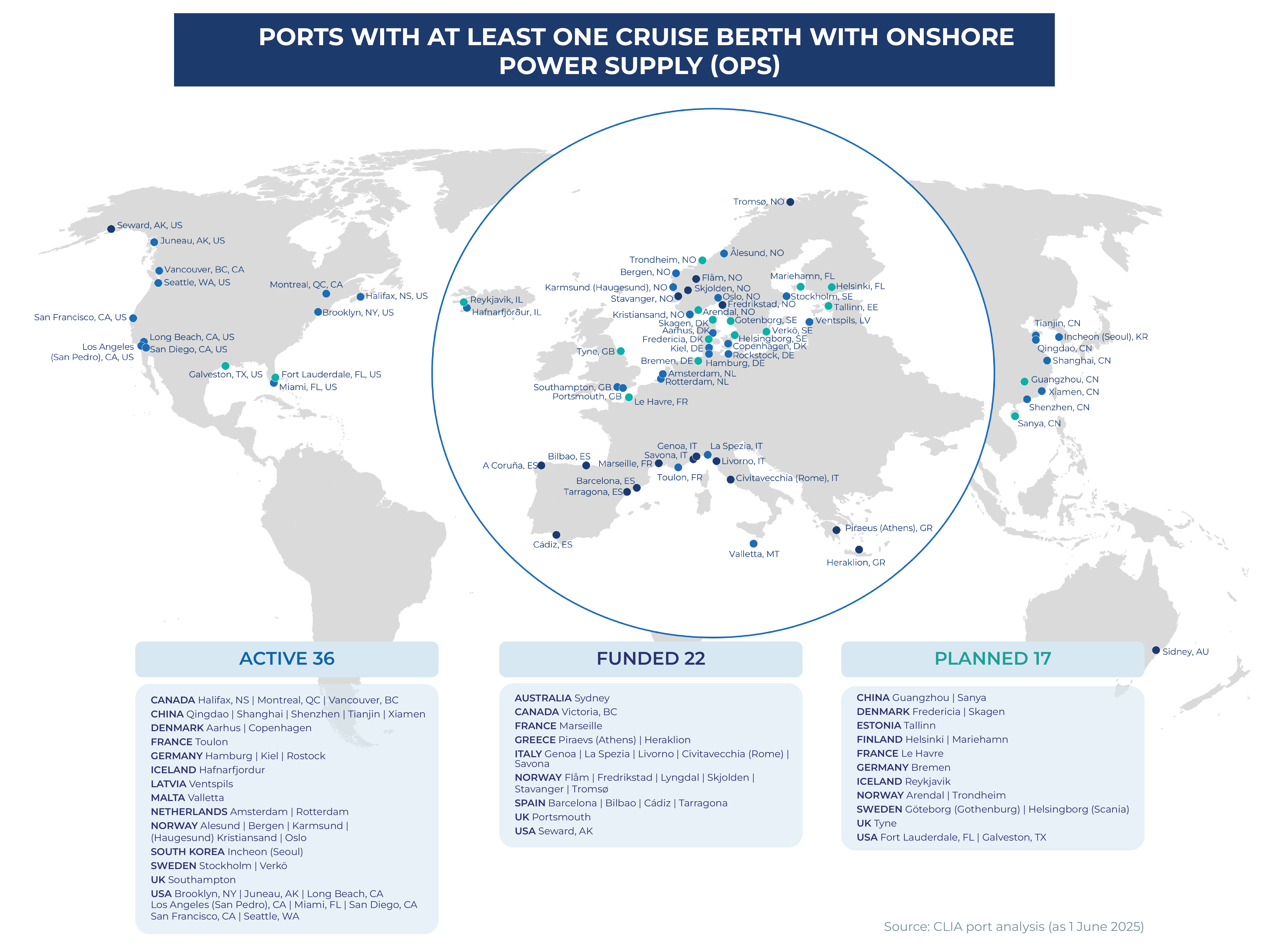
- Decarbonising operations at berth is a strategic priority, with large cruise vessels typically requiring between 8 and 16 MW of electrical power while alongside.
- Onshore Power Supply (OPS) is becoming a core port capability by eliminating local emissions at berth, reducing noise and improving air quality, while European regulations such as FuelEU Maritime and AFIR are accelerating its deployment.
- The transition to low- and zero-carbon fuels, including methanol, ammonia and green hydrogen, is currently requiring ports to develop new bunkering infrastructure and operational capabilities.
- Transparent reporting of environmental performance helps ports meet stakeholder expectations and support cruise lines' decarbonisation goals
4. Port-city integration
Public acceptance has become a strategic asset for every cruise destination. Cruise ports operate within living cities, making community acceptance one of their most valuable strategic assets. Future success will depend on balancing tourism growth with residents' quality of life, ensuring that cruise activity contributes positively to urban development rather than creating congestion or social tension. The ports that build strong partnerships with their cities will be better positioned to secure long-term growth.
- Long-term cruise growth depends on maintaining public support and aligning port development with the destination's sustainability objectives.
- Close collaboration between ports, local authorities, tourism organisations and cruise lines enables more effective planning and destination management.
- Smart visitor flow management reduces congestion, improves the passenger experience and spreads economic benefits across a wider area.
- Well-integrated waterfront developments strengthen the connection between the port and the city while enhancing public spaces for residents and visitors.
- Early stakeholder engagement and transparent communication build trust and reinforce the long-term resilience of cruise tourism.
5. Creating local economic value
The economic contribution of a cruise port extends well beyond passenger numbers. Maximising local spending, strengthening regional supply chains and building closer partnerships between cruise lines and local businesses helps ensure that more of the value created by cruise tourism remains within the destination.
- The long-term value of a cruise port depends on the economic benefits it generates for local businesses, employment and investment.
- Closer collaboration between cruise lines, local suppliers, tourism operators and destination management organisations helps maximise local spending and strengthen regional supply chains.
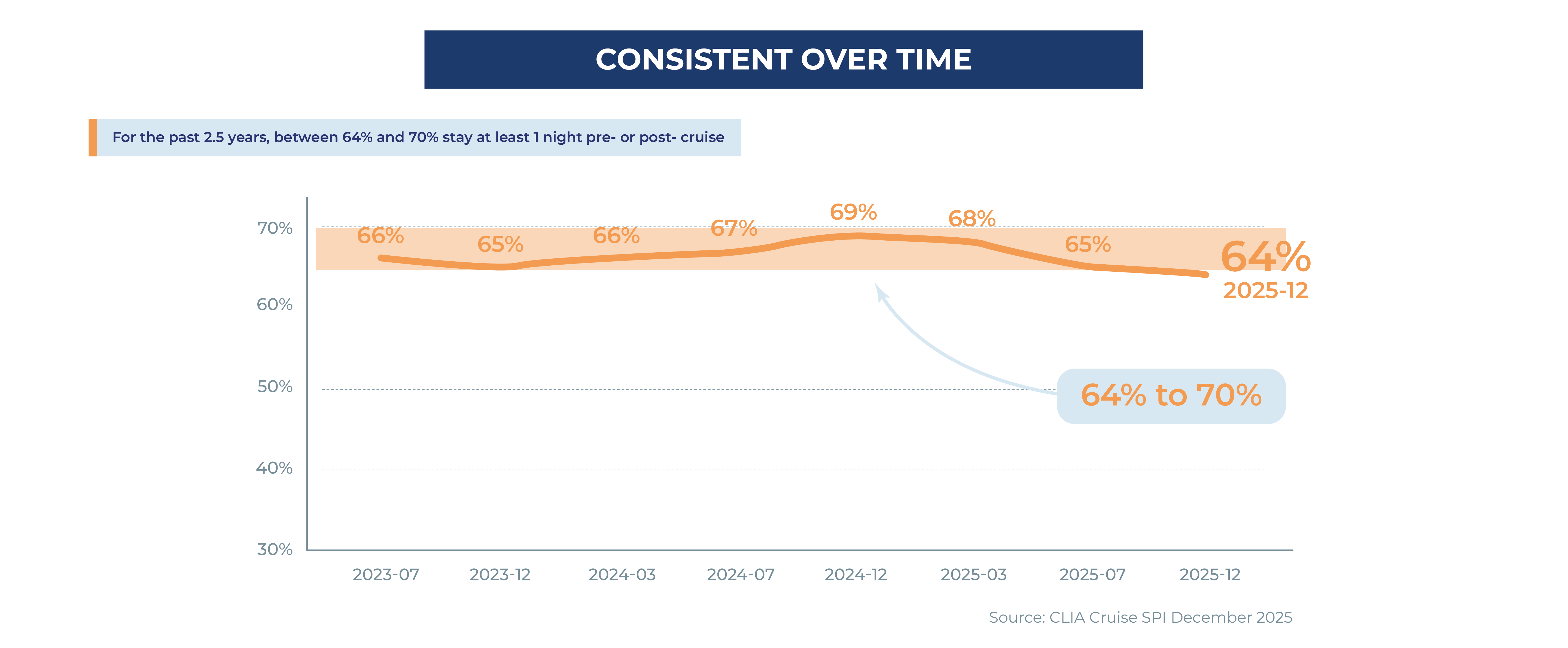
- Homeport operations generate significantly greater economic impacts than transit calls by increasing demand for accommodation, transport, hospitality and other local services.
- Measuring the economic impact of cruise activity helps destinations demonstrate value, guide investment decisions and strengthen support for sustainable cruise growth.
6. Digitalisation and smart ports
Digital technologies are becoming the foundation that connects every other driver of competitiveness. Real-time information, automation and data sharing enable ports to improve operational performance, optimise resources and deliver a smoother passenger experience. As artificial intelligence and predictive analytics become mainstream, digital maturity will increasingly distinguish leading cruise ports from the rest.
- Digital technologies are becoming essential to improving operational efficiency, enhancing the passenger experience and supporting better decision-making.
- Real-time data sharing between ports, cruise lines, terminal operators and public authorities enables more efficient planning and smoother passenger flows.
- Artificial intelligence and advanced analytics help optimise resource allocation, forecast demand and improve operational resilience.
- Smart port technologies, including automation, digital twins and Port Community Systems, strengthen operational performance while supporting sustainability and long-term growth.
Conclusion
As these trends reshape the cruise industry, ports, investors, terminal operators and public authorities face increasingly complex strategic decisions. From assessing infrastructure needs and evaluating investment priorities to developing sustainable growth strategies and strengthening port-city integration, translating these drivers into practical actions requires a multidisciplinary perspective.
With extensive international experience across the cruise, ports and transport sectors, ALG supports clients in identifying opportunities, evaluating alternatives and designing strategies that enhance long-term competitiveness and value creation.
About the authors

Anna Díaz Llop
Msc in Civil Engineering (with specialization in port planning). Senior Engagement Manager at ALG.

Arturo Medio Yáñez
MSc in Naval Engineering, specialized in Marine Renewables and Offshore Engineering. Business Analyst at ALG, with experience in international market analysis, port planning, and shipyard strategy across the maritime sector.


