
In-depth insights
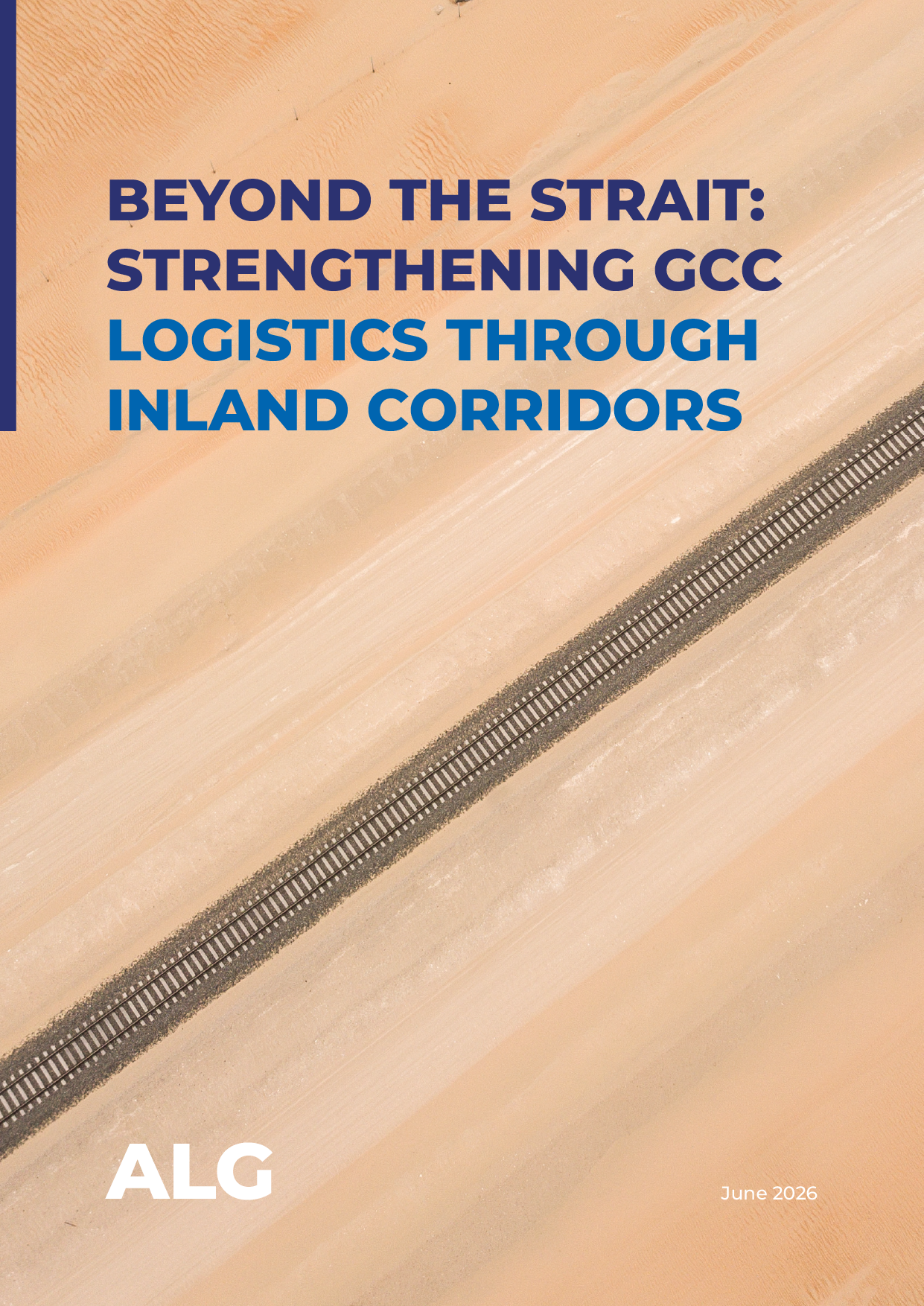
Beyond the Strait: Strengthening GCC logistics through inland corridors
The GCC's logistics system, one of the world's most commercially significant, has been built around highly efficient port infrastructure and strong international connectivity, heavily reliant on the Strait of Hormuz. The disruption of this corridor in 2026 tested the system under conditions it was never designed to handle. It revealed where the system can be strengthened, and demonstrated the strategic role inland corridors can play in sustaining trade and reinforcing regional resilience.
The sudden closure of the Strait created simultaneous disruptions in export and import flows, affecting energy markets, industrial supply chains, and essential goods distribution. Under these conditions, inland transport corridors, alternative maritime gateways, and logistics hubs became essential to maintaining supply chain continuity.
In this context, inland corridors are evolving from efficiency-driven assets into critical infrastructure for resilience, enabling more flexible and distributed logistics networks across the region.
This paper analyses how the GCC logistics system responded under severe disruption, examining the reconfiguration of cargo flows through alternative gateways and inland transport networks, as well as the role of logistics hubs in absorbing and redistributing cargo.
It also identifies the main structural gaps revealed during the crisis across capacity, cross-border integration, and infrastructure resilience, and explores measures to address these constraints, strengthen system performance, and enhance the GCC's overall resilience.
Building on this analysis, the report outlines a set of strategic measures to strengthen the GCC logistics system, including the expansion of inland and rail infrastructure, the harmonisation of customs processes, and the reinforcement of critical logistics assets under stress conditions.
Looking ahead, the paper highlights the opportunity to transition from a centralised hub-and-spoke model to a more resilient, integrated, and multi-nodal logistics network, capable of sustaining trade under both normal and disrupted conditions.
Download the full paper to explore how inland corridors are reshaping the future of GCC logistics systems.
See more insights