
In-depth insights
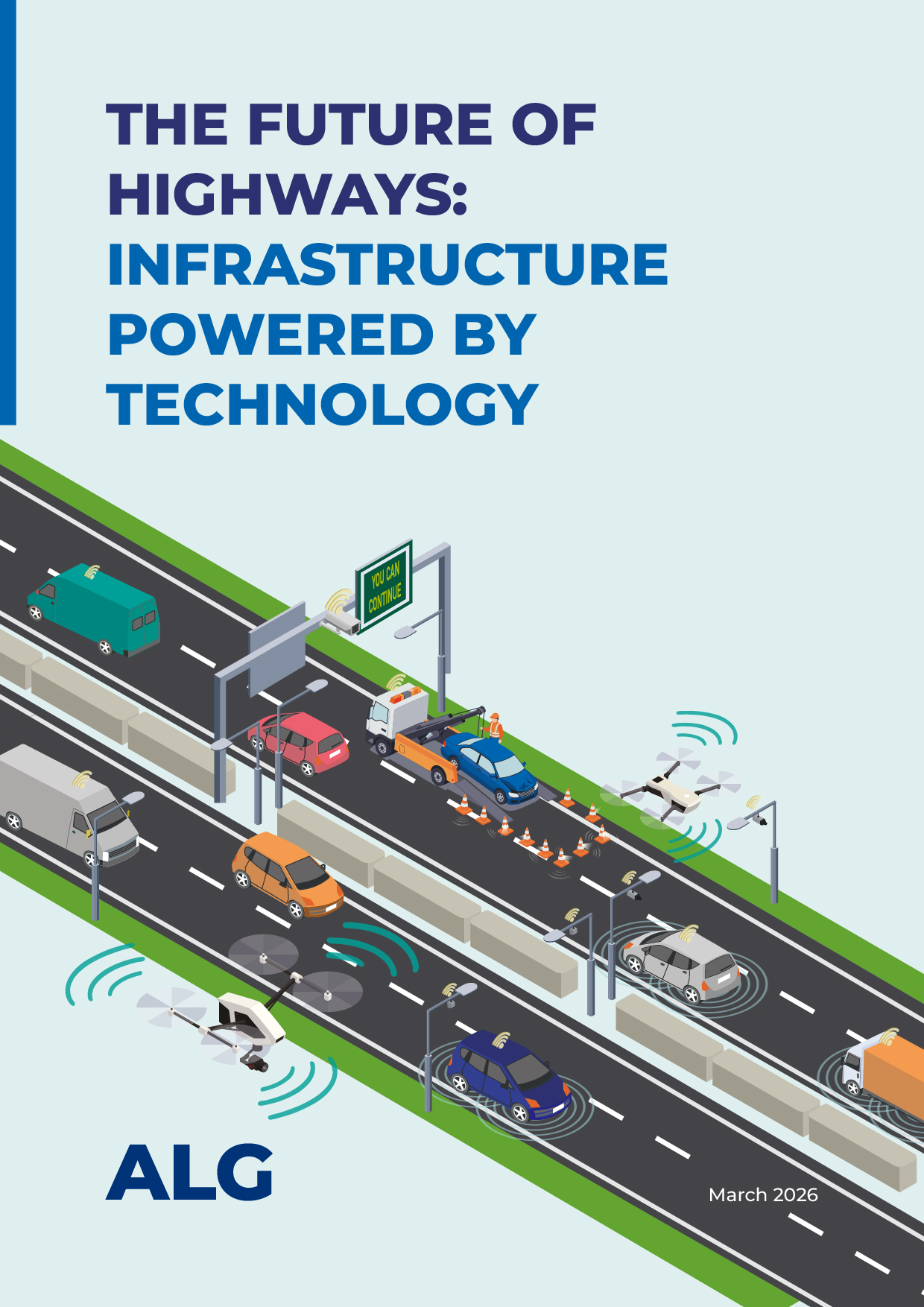
The future of highways: Infrastructure powered by technology
The highway sector has reached a critical inflection point, driven by the convergence of increasing operational challenges and rapid technological advancement. Emerging technologies are becoming essential tools to tackle the sector’s most pressing pain points, enabling operators to respond more effectively to rising traffic volumes, aging infrastructure, funding constraints, and growing expectations for safety and sustainability.
By leveraging advances in AI, data capture, and V2I communications technologies, highway operators are unlocking capabilities that were neither feasible nor affordable just a few years ago. Together, these dynamics are reshaping highways into more intelligent, data-driven, and performance-oriented systems.
This report explores how the highway sector is evolving in response to these pressures, beginning with an assessment of the most pressing challenges facing operators today, alongside the current state of technology readiness across the industry. It highlights how the sector has reached a critical turning point, where adopting new technologies is no longer optional, but essential to ensure long-term operational efficiency and resilience.
The analysis then examines the emerging technologies that are transforming highway operations. It covers intelligent tolling systems that enable dynamic pricing and improved revenue capture, AI-powered maintenance solutions that shift asset management toward predictive and condition-based strategies, and data-driven safety tools that enhance incident detection, response times, and work zone protection.
In parallel, the paper explores the role of vehicle-to-infrastructure communication in enabling connected and autonomous mobility ecosystems, as well as sustainable road innovations that integrate energy efficiency, low-carbon materials, and climate resilience into highway design and operations.
To complement this analysis, the paper presents a set of real-world case studies from across the United States and Europe. These examples illustrate how technologies such as dynamic tolling, AI-based incident detection, drone-enabled operations, smart work zones, and automated inspection systems are already delivering measurable improvements in safety, efficiency, and operational performance.
Finally, the report looks ahead to how the highway sector can successfully navigate this technological transition. It outlines the importance of adopting a structured and strategic approach to technology implementation, one that aligns operational needs, technology selection, and phased deployment to maximize impact while managing complexity and risk.
Download the full report to understand how technology is redefining highway operations, and the strategic choices that will shape the future of the sector.
See more insights