
ShapingExcellence
ShapingExcellence
We provide tailor-made solutions to clients across different transportation and logistics value chains.

Businessand strategy
ALG is a business and strategy consultancy with a global presence specialised in transport, infrastructure and logistics.
We have been recognised for our vision, talent and delivery for more than 30 years.
We meet our clients wherever they are based to support them throughout their new projects, providing services ranging from industry knowledge to digital transformation.
Sectors
we
work
in
We carry out projects in a broad spectrum within the transport and infrastructure sector.
Aviation
Working alongside our clients, we provide in-depth knowledge of the industry (air transport, airport infrastructure, air navigation, UTM and drones, space and civil aviation).
Maritime
We identify opportunities to take advantage of trends in global trade, cruise markets and marina concessions, and support the development of maritime transportation and infrastructure throughout the value chain.
Land
Leading players in the highway and railway sectors and public transport authorities trust us (the highest rate of client repetition) to achieve more efficient and sustainable transport.
Logistics
We draw on our in-depth understanding of all modes of transport to assess and define the role of logistics zones in global supply chains and to design new strategies and modern logistics processes.
Committed tolasting impact
Committedto lasting impact
For each of the practices, our value proposition covers from strategy to operational improvement and implementation support.

Transactions and PPP structuring
Support for stakeholders in transactions and PPP processes (grantor, vendor, buyer and lender sides).

Innovation and digital transformation
Innovative solutions to new and uncertain scenarios - digital transformation, analytics, big data, artificial intelligence, machine learning, etc.

Strategy and business development
We have gained the confidence and trust of all the major players we have collaborated with on key strategic and consultancy projects.

Infrastructure and investment planning
We add value throughout the infrastructure life cycle - planning and design, impact studies, risk management, operational improvement, etc.

Regulations and policies
Assistance to regulatory bodies and public administrations in the development of policies, institutional consolidation, governance models, capacity building, etc.

Operational improvements
We apply a holistic approach that draws on new technology trends to improve business operations, from operational strategy through to implementation.

Our Values
Our Values and Commitments
We are committed to being the trusted partner our clients rely on, driven by excellence, generosity, and a shared purpose: to create meaningful impact, embrace diversity, and shape excellence in transportation and infrastructure.
Majorprojects

Data4Safety: A European Data-Driven Aviation Safety Framework
ALG collaborated with EASA as the Data Analytics Provider during the proof-of-concept phase of the Data4Safety program, a European big data analytics platform for aviation safety. The program collects vast amounts of data from across the aviation industry to identify systemic risks and proactively address them.
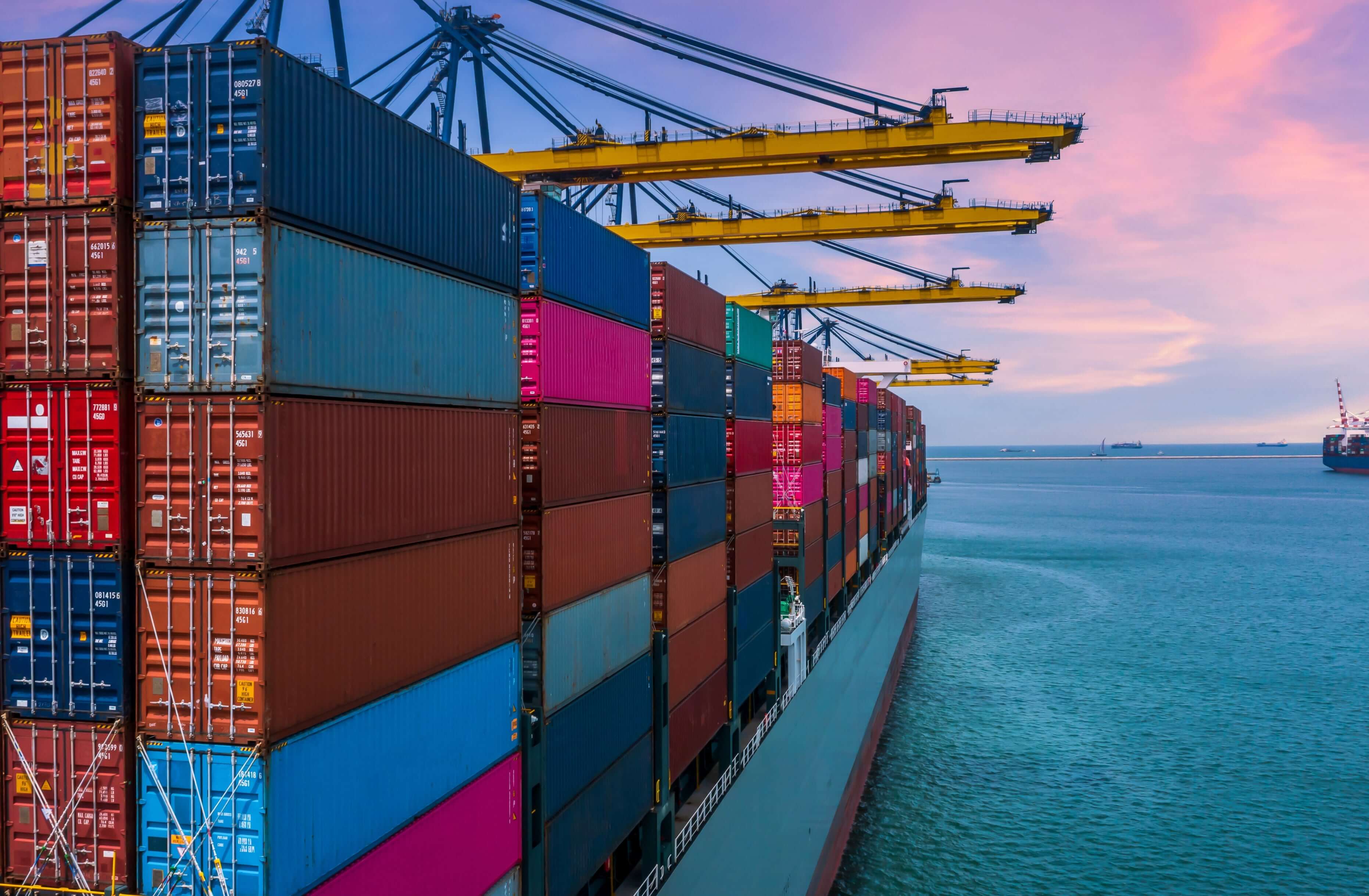
Commercial due diligence for two container terminals in the USA
ALG was commissioned to assist in verifying the feasibility of a potential investment in the US container market. We developed the commercial due diligence for two container terminals in the Port of New York and New Jersey.
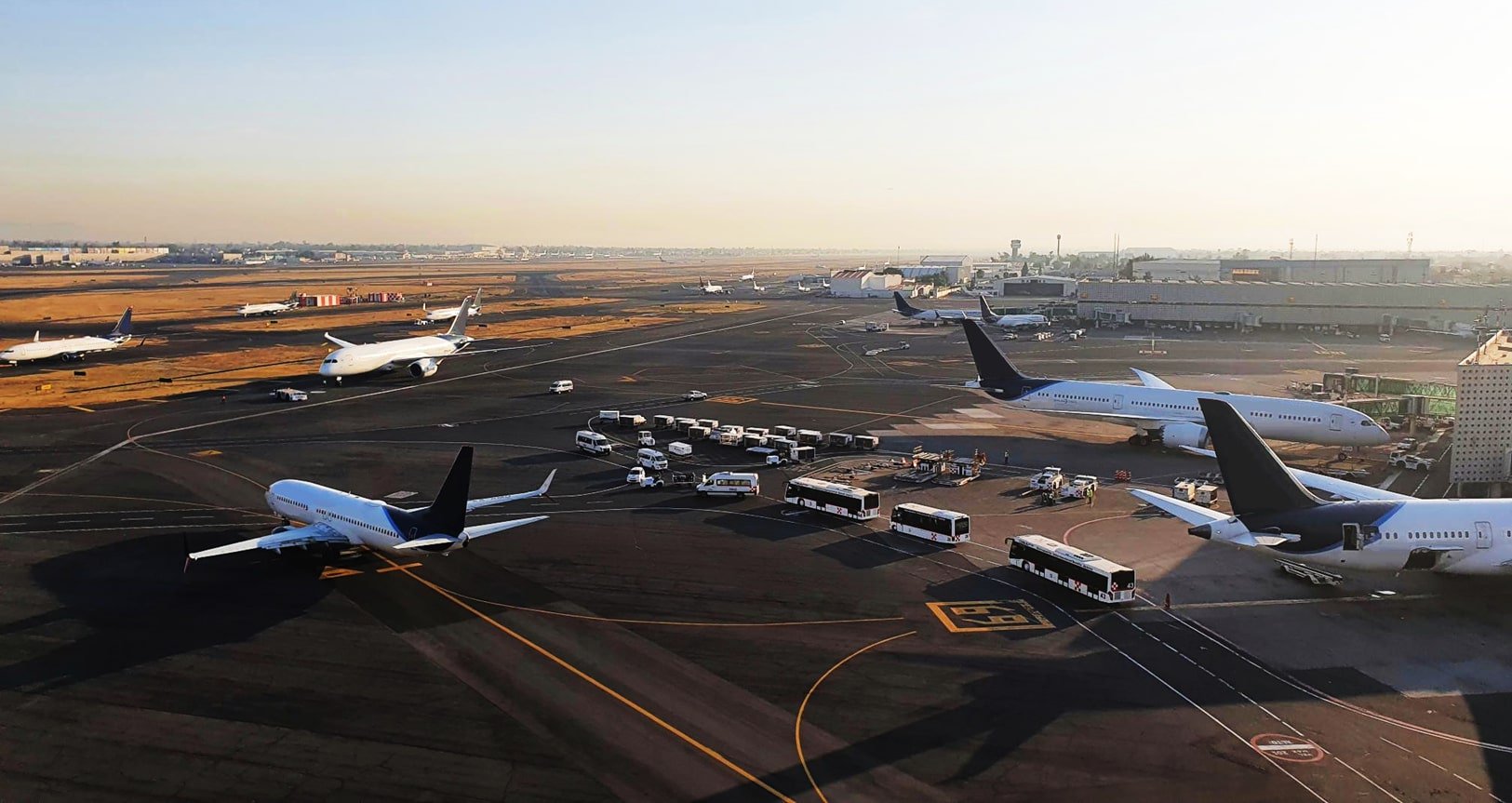
Supporting A-CDM implementation in the biggest airports in Latin America
ALG supported the implementation of the A-CDM model at key Latin American airports to address growing air traffic and operational challenges. The initiative enhances collaboration among stakeholders, improving communication, predictability, and efficiency.

Pre-feasibility study for logistics platform and SEZ in an African island nation
The African Development Bank (AfDB) engaged ALG to assess the pre-feasibility of establishing a commercial logistics platform, potentially within a Special Economic Zone (SEZ), at a key port in an African island nation.

Road sector strategy and road master plan for Saudi Arabia
ALG, as part of a consultant consortium, developed Saudi Arabia’s Road Sector Strategy and Road Master Plan. The country aims to enhance connectivity and infrastructure quality as part of Vision 2030. ALG analyzed the current road network and compared it with future mobility needs and global best practices.
RecentNews

In recent years, toll pricing has gained prominence as a strategic instrument in transport economics. While originally designed to recover infrastructure investment costs, tolls have evolved into a versatile policy tool for managing congestion, pollution, and excessive road use. By linking a direct fee to a specific facility, policymakers and operators can shape travel behaviour while securing a sustainable revenue stream.

Highways are essential to economic growth, trade, and connectivity. Yet, ensuring their safety and resilience remains one of the toughest challenges for governments and road operators. Traditionally, monitoring road conditions has relied on manual inspections, visual surveys, and specialized vehicles equipped with laser or profilometer systems. These methods, while useful, are costly, infrequent, and often subjective.

While their origins can be traced back to earlier decades, low-cost carriers (LCC) rose to popularity in the 1990s and 2000s in the US and Europe. LCCs appeared in the United States in the 1970s following the Airline Deregulation Act of 1978, which eliminated federal control over market access, routes, and fares, and set the ground for the appearance of new business models.

Inter-regional trade and intra-regional trade comprise two main dimensions of global trade flows. Inter-regional trade is primarily driven by extensive maritime flows that connect countries and continents, forming the backbone of global commerce, and is complemented by land transport corridors, which play a crucial role in linking landlocked countries to major seaports.